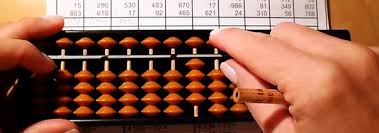
Abacus
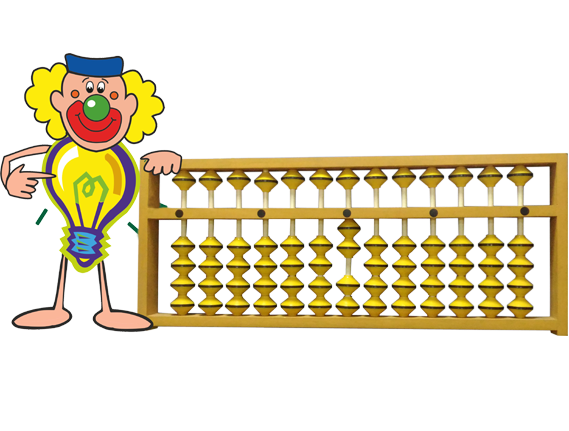
Abacus learning not only helps with the basic calculations like addition, multiplication, subtraction, and division, it also helps in effective counting of decimal points, negative numbers, etc. When students learn to use an abacus, they use their hands and a tool with beads to calculate numbers.
Abacus based learning and abacus students have a staggering advantage over traditional learning and non-abacus students. Their test scores are higher, their confidence is greater, and their opportunities in school and life outweigh their peers. With all this amazing success and nearly unbelievable results, we have to wonder: what is the science behind the abacus?
The Mental Abacus
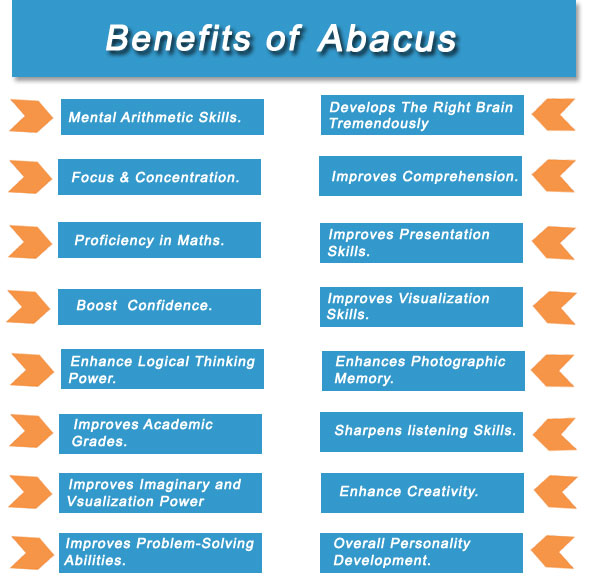
Children who use the mental abacus have shown remarkable progress. This progress has even extended beyond mathematics. Abacus students have a growing sense of confidence and self-worth. They also excel in many other subjects, inside and outside of the classroom. Published research has been done on the effects of the mental abacus since the 1970s. These studies look at cognitive development, social behaviors, memory retention, and reversal of cognitive impairment.
The Abacus and the Hemispheres in the Brain
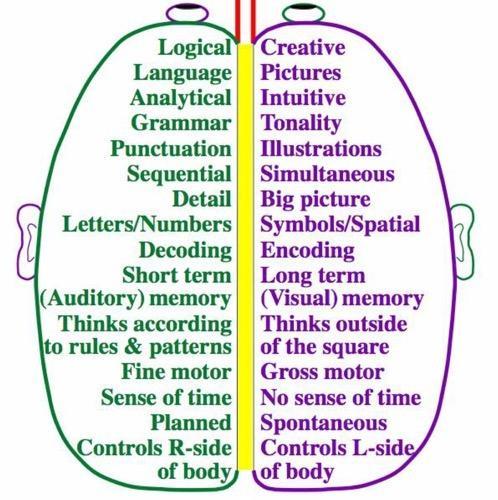
The brain consists of two hemispheres, the left and the right. The left side of the brain is used for logical processing, mathematic functions, sequencing, and linear processes. The left side of the brain is what is trained first when children are taught math traditionally. The right side of the brain is used for imagination, visualization, intuition, and rhythm. When children are taught the abacus, they are training the right side of their brain. The abacus taps into the need for visualization, imagination, (mental abacus) and intuition. According to Abacus in the Brain, “previous behavioral work has shown that skilled abacus users perform rapid and precise mental arithmetic by manipulating a mental representation of an abacus, which is based on visual imagery.” The numbers on the abacus have to behave in the same way every time no matter which operation is used on them. That type of consistency is the glue needed to solidify a child’s understanding of math. The abstract nature of numbers is hard to grasp for a child, but with the abacus, abstract becomes intuitive and confusion turns to delight. The abacus works because the abacus makes sense.